EPC Assessor & Certificates in Wraysbury, TW19
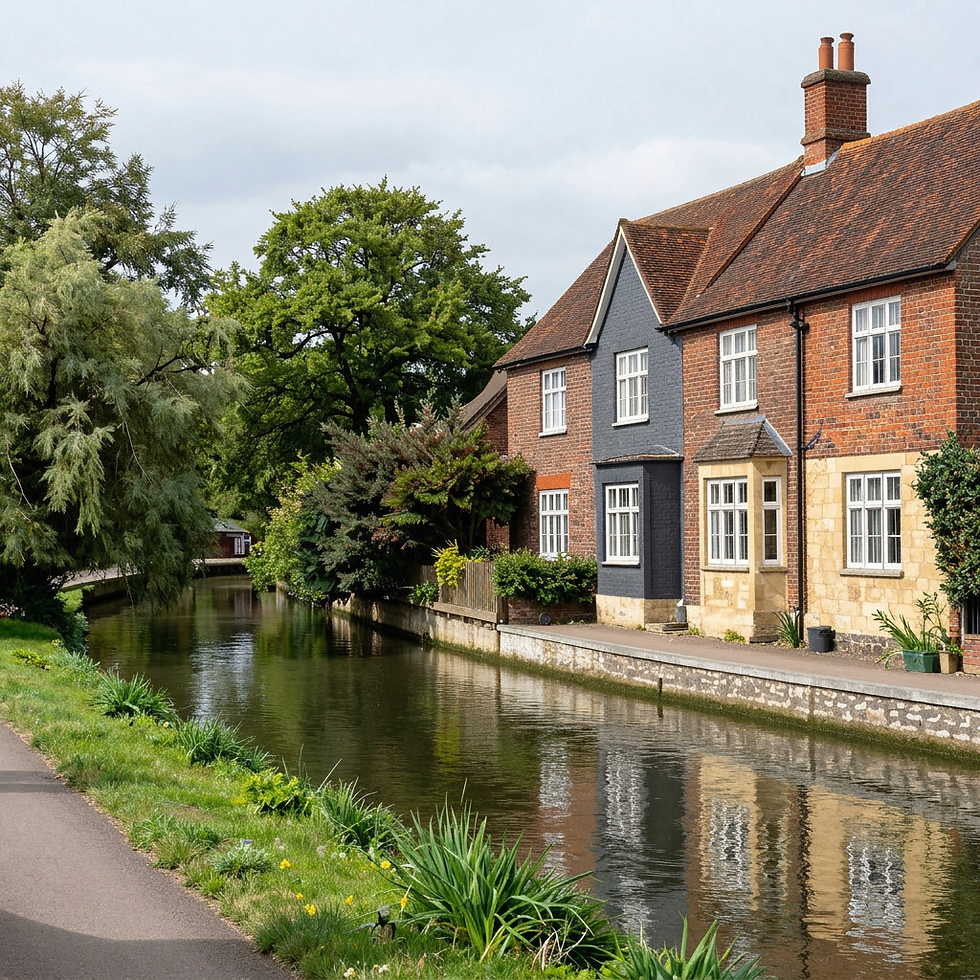
Wraysbury is a picturesque riverside village in Berkshire, close to the Thames and Wraysbury reservoir, with a mix of riverside cottages, post-war semis and modern developments. We provide fully accredited EPCs across Wraysbury and the TW19 postcode area, whether you're selling, letting or simply checking your property's energy performance, with fixed, transparent pricing and certificates issued within 24 hours. Every Wraysbury assessment is carried out under our TrustMark, ECMK, Elmhurst Energy and Quidos accreditations, so riverside cottages and modern infill homes alike receive a fully compliant certificate.
Accredited by TrustMark · ECMK · Elmhurst Energy · Quidos
Why You Need an EPC in Wraysbury
Landlords and sellers in Wraysbury require a valid EPC to comply with legal requirements, including MEES regulations which mandate a minimum energy rating for rental properties. Given the village's diverse housing stock—from charming riverside cottages to substantial modern homes—an assessment is vital to capture the efficiency of specific insulation and heating systems in these Thameside locations.
Book Your EPC Now
Select your property type below to book your accredited assessment. Fixed pricing, no hidden fees.

45 min
95 British pounds


What customers near Wraysbury say
"We needed an EPC energy asssessment for a property we own in Windsor… He arrived on time was very professional and gave really good energy saving advice."
— Sam, Windsor
"David attended our property in Staines the next day after making our initial enquiry. We recieved the epc certificate later that day."
— Mr Lee, Staines-upon-Thames
"David has recently provided a number of EPC Certificates for my properties. He has been prompt, reasonable and professional."
— Steph R.
Expert EPC Surveying for Wraysbury Residents
As your local domestic energy assessor, I provide specialized assessments tailored to the unique architectural landscape of Wraysbury homes.
Riverside Cottages
Surveying older, traditional builds in Wraysbury often presents challenges with thermal bridge identification and historical fabric assessments. We ensure your EPC certificate accurately reflects these nuances.
Post-War Semis
Standardizing energy efficiency in Wraysbury's post-war semi-detached homes typically involves assessing cavity wall insulation and loft upgrades to significantly boost your rating.
Modern Infill Developments
Steamlined EPC assessments for newer infill developments focus on high-performance glazing and modern heating systems, ensuring rapid lodgement of your energy certificate.
Serving Berkshire, Surrey and Middlesex.
Areas Covered
We are active daily throughout Staines, Windsor, Slough, and Egham. If you are within 15 miles of TW19, we can visit you quickly. Our local presence means fast turnaround times and lower travel costs for you. Check our list below to see if we are currently in your neighborhood.